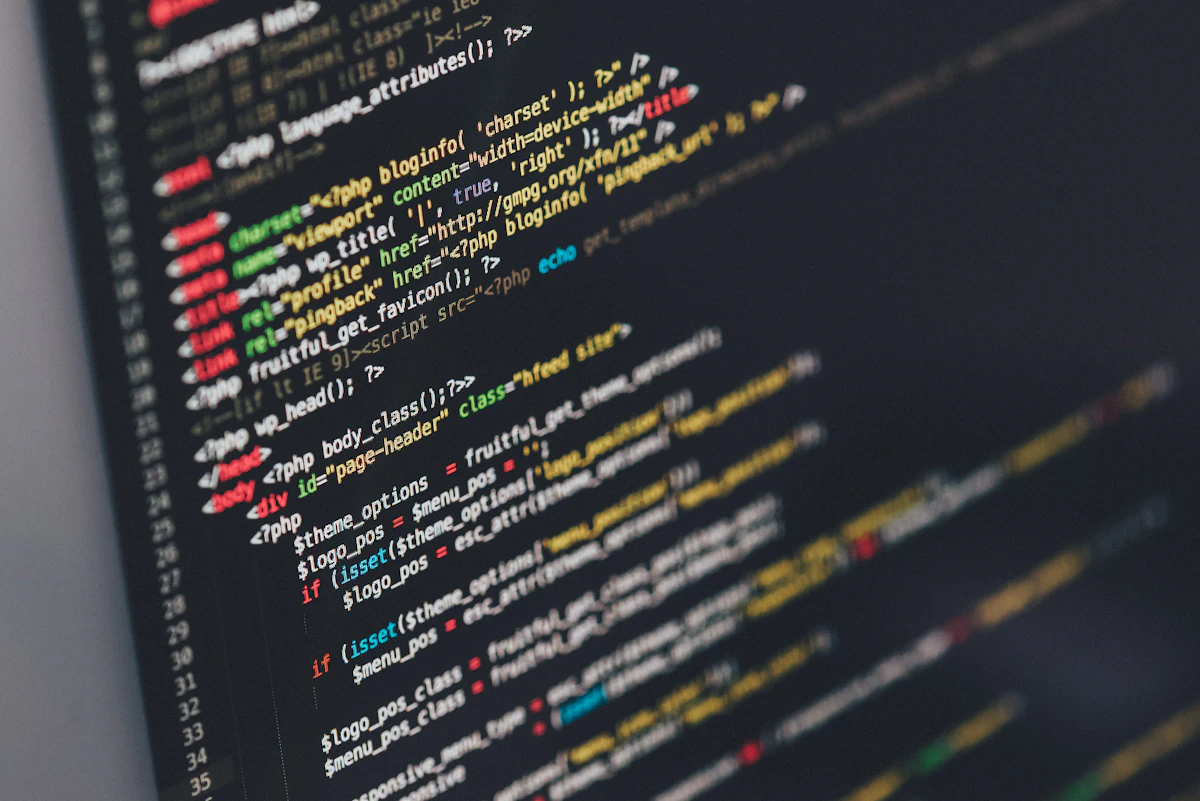
WordPress is remarkable. An open-source project that went from blogging tool to powering 43% of every website on the internet. The community, the plugins, the documentation — it's genuinely impressive.
We've also built a lot of WordPress sites. For clients who need a familiar admin, a rich plugin ecosystem, or a large contributor community, it still makes sense.
But for our own projects? We stopped using it. And we built something better (for us).
The Problem With WordPress at Scale
WordPress is a monolith. It was designed in 2003 for blogs and it carries that heritage with it. Every page request triggers a PHP bootstrapping process, a database connection, a cascade of hooks and filters, plugin initialisations, and then — finally — your content.
For a simple portfolio site or a blog, that's enormous overhead. We were running sites with fewer than 50 pages through a full MySQL stack, loading 40+ plugins, just to display text and images.
The symptoms were familiar:
- Slow Time to First Byte (TTFB) even with caching plugins
- Plugin conflicts on every update
- Security patches arriving faster than we could apply them
- Hosting costs creeping up as resource usage grew
Enter Flat-File Architecture
A flat-file CMS stores content as files — usually Markdown — rather than in a database. When a page is requested, the server reads the file and renders it. No database queries. No connection overhead. Just PHP reading a file.
The result is dramatically faster and dramatically simpler.
Our CMS stores every blog post and project as a .md file with YAML frontmatter:
---
title: My Post Title
date: 2025-01-28
category: Development
status: live
---

Post content goes here in Markdown.
That's it. No tables. No rows. No wp_posts with 60 columns. Just a file.
What We Built
Our flat-file CMS is built entirely in vanilla PHP with zero external dependencies. No Composer, no npm, no framework. It includes:
- Markdown parser — custom-built, covering headings, lists, blockquotes, code blocks, and inline formatting
- Frontmatter parsing — YAML-style key:value pairs extracted on every file read
- Admin dashboard — full CRUD for posts and projects, with a markdown editor, toolbar, and live preview
- Security layer — SQLi/XSS detection, IP banning, brute force protection with progressive delays
- Backup system — one-click ZIP archive of all content
- SEO built-in — Open Graph, Twitter Cards, JSON-LD schema markup, canonical URLs
The entire codebase is under 2,000 lines of PHP. WordPress core alone is over 500,000.
The Trade-Offs
This approach isn't for everyone. If you need:
- E-commerce with complex product variants → use WooCommerce
- A non-technical client editing content → WordPress is easier to explain
- A massive plugin ecosystem → WordPress wins
But for developer portfolios, agency sites, compliance platforms, and any site where performance and security matter — flat-file is the right call.
The Performance Difference
On identical hosting (shared PHP, no object cache):
| Metric | WordPress (with cache) | Our flat-file CMS | |---|---|---| | TTFB | 280–600ms | 40–90ms | | Page size | 1.2–3.5 MB | 150–400 KB | | Dependencies | 30–60 plugins | 0 | | Database queries | 20–80 per page | 0 |
Those aren't edge cases. Those are real numbers from real migrations.
Security by Simplicity
One of the quietest benefits of no database is no SQL injection surface. You can't inject SQL into a system that doesn't speak SQL. Our security layer still scans inputs for XSS and suspicious patterns, but we've eliminated an entire category of vulnerability by design.
WordPress publishes security patches regularly — and every day between a vulnerability being disclosed and a site being updated is an attack window. With a flat-file system, there's nothing to patch except PHP itself.
Should You Build Your Own?
Probably not — unless you enjoy it. The point isn't to reinvent the wheel; it's to understand exactly what's turning and why.
If you're a developer who finds joy in building systems from scratch, the exercise of writing your own CMS is invaluable. You'll learn more about web fundamentals than any course can teach you.
If you're a business that needs a fast, secure, content-managed website — we can build you something that performs beautifully without the WordPress tax.